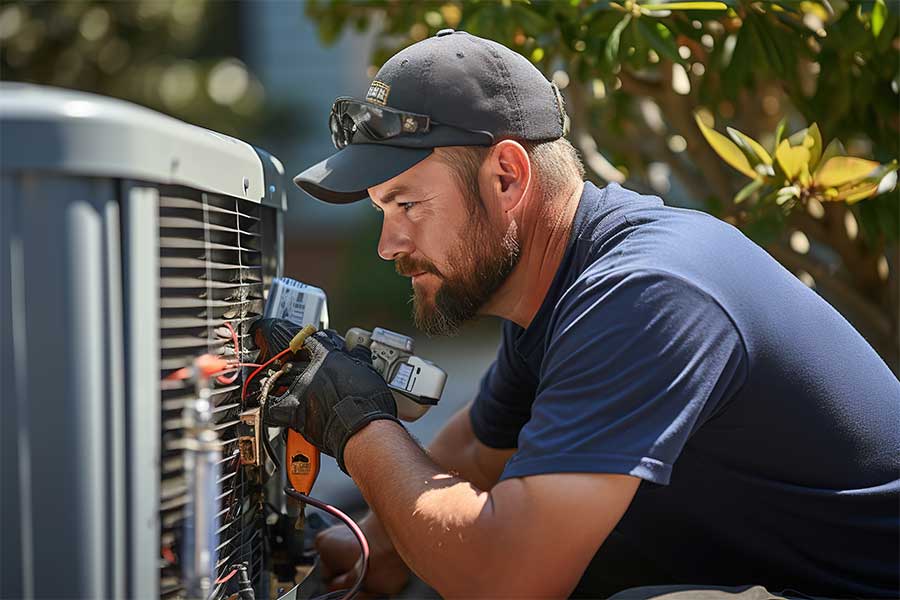
Practical HVAC Choices for Gulf Coast Homes and Small Workspaces
First, map the space you want to condition and document the rooms that run hot or cold. In practice, the square footage is only a starting point; ceiling height, window exposure, and insulation quality matter just as much. Then verify electrical capacity and vent pathways so any future air handler or condenser fits without rework. This scoping step reduces surprises during Air Conditioning Installation and Repair later.
Next, assess climate patterns and indoor habits to refine sizing. Often, folks underestimate humidity’s role, which drives discomfort even when temperatures look fine. Beyond that, latent loads from cooking, showers, and laundry can shift the calculation. A right-sized system avoids short cycling, stabilizes temperature, and supports filtration. Oversized equipment may seem safer, but it risks uneven rooms and higher operating costs without improving comfort.
Meanwhile, decide early if ducted or ductless is the better fit. Ducted options can serve many rooms quietly when ducts are sealed and balanced, while ductless zones shine in additions or areas with tough routing. Validate duct condition with a pressure test, and inspect returns for adequate sizing. Leaky or undersized ducts sabotage performance, so plan any corrections before selecting equipment tones, capacities, or accessories.
Beyond airflow, factor in the envelope. Seal attic penetrations, weatherstrip doors, and upgrade insulation where feasible. Then recalibrate your load estimate after improvements, because better envelopes allow smaller systems that run longer, cleaner cycles. This sequencing prevents overspend on capacity and preserves efficiency gains over time. Small air sealing steps often yield big operational payoffs and support steadier comfort profiles.
Additionally, look at heating strategy through the lens of fuel type, utility rates, and comfort preference. Heat Pumps provide efficient heating and cooling from one platform, particularly attractive in mild winter zones. However, verify defrost strategy and backup heat plans for rare cold snaps. For gas or electric furnaces, Heating Installation and Repair considerations include venting paths, clearances, and combustion air to protect safety and performance.
Moreover, plan for Indoor Air Quality alongside temperature control. Filter cabinets that accept deeper media reduce pressure drop and extend service intervals. Pair filtration with humidity management to buffer against mold and dust mite triggers. If there are pets, allergies, or frequent guests, evaluate upgraded filtration or dedicated ventilation to bring in measured fresh air and exhaust stale pollutants without wasting energy.
After equipment decisions, stage the project timeline. Phase permitting, delivery, and install days to align with occupant schedules and weather windows. Maintain a punch-list that includes refrigerant line routing, drain slope checks, and thermostat placement away from drafts or sunlight. Document model numbers, serials, and baseline readings like temperature split and static pressure so future service has a solid reference.
However, don’t overlook acoustics and placement. Validate that outdoor units sit on level, well-drained pads with clearances for airflow and service. Indoors, buffer vibration using appropriate isolation, and avoid running lines near bedrooms when possible. Inspect for whistling returns or rattling grilles, which signal airflow bottlenecks. Quiet systems aren’t accidents; they’re the product of careful layout and balancing.
Finally, set a maintenance rhythm that’s realistic and repeatable. Replace or clean filters on schedule, rinse outdoor coils, and verify condensate drains remain clear before peak seasons. Calibrate thermostats and confirm safety switches function. When issues arise, timely Air Conditioning Installation and Repair or Heating Installation and Repair prevents small irregularities from compounding into costly breakdowns during the hottest or coldest weeks.
Ultimately, approach HVAC as a lifecycle asset rather than a one-time purchase. Validate needs, align equipment with the building, and maintain it with intention. This perspective mirrors the steady craftsmanship learned by technicians who grew up around the trade, where each job builds on the last. With planning, documentation, and follow-through, your system can deliver comfort, efficiency, and reliable service year after year.